
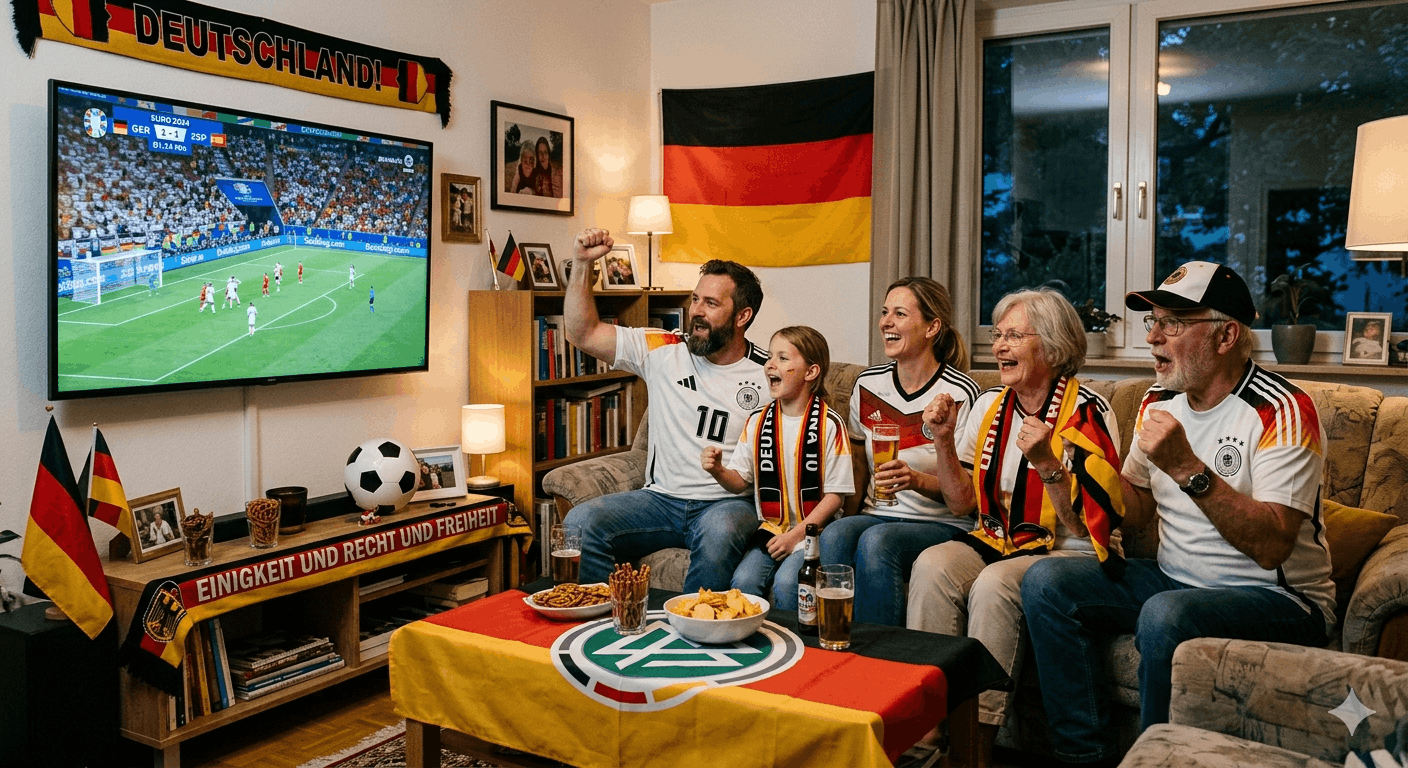
The way people watch television and entertainment in Germany has changed dramatically over the last decade. Traditional cable subscriptions are no longer the only option for viewers who want access to sports, movies, international channels, and on-demand entertainment. Instead, audiences are moving toward more flexible digital streaming solutions that fit modern lifestyles.
In 2026, convenience has become one of the biggest reasons behind this shift. Viewers no longer want to be tied to fixed schedules or limited programming. Whether someone wants to watch Bundesliga matches live, stream international content, or access movies on demand, people now expect entertainment to be available instantly across multiple devices.
Another major factor is device compatibility. Modern households rarely rely on a single screen anymore. Smart TVs, smartphones, tablets, laptops, and streaming devices have become part of daily viewing habits. Users often start watching content on one device and continue on another, making cross-platform accessibility more important than ever.
Sports broadcasting has also played a huge role in the evolution of streaming culture. Football remains one of the strongest entertainment drivers in Germany, but interest in Formula 1, basketball, tennis, and international competitions has grown significantly. Fans increasingly prefer services that allow them to access multiple sports events in one place without constantly switching between platforms.
At the same time, viewers are becoming more interested in global entertainment. Korean dramas, Turkish series, American productions, and international news channels have found large audiences in Germany. This growing demand for international programming reflects how streaming has expanded cultural accessibility for viewers across Europe.
The rise of video-on-demand libraries has also changed audience expectations. Instead of waiting for weekly television schedules, people now prefer to choose what they want to watch and when they want to watch it. This shift has influenced not only entertainment consumption but also how media companies distribute content worldwide.
Streaming quality has improved alongside these changes. Full HD and 4K viewing are becoming standard expectations rather than premium features. Faster internet infrastructure in Germany has supported this transition, allowing households to stream high-resolution content more reliably than ever before.
Reliability and user experience are now essential factors for streaming audiences. Long buffering times, poor navigation, or unstable connections quickly push viewers toward alternative platforms. Consumers today value smooth performance just as much as content variety.
Another interesting trend is the increasing popularity of personalized viewing experiences. Algorithms, curated recommendations, and custom watchlists allow users to discover content based on their preferences rather than relying on traditional broadcasting schedules. This has made entertainment more individual and interactive.
As the streaming market continues to grow, many users are also paying closer attention to flexibility and affordability. Instead of paying for multiple separate services, audiences increasingly look for platforms that combine live channels, sports, movies, and series into one ecosystem. Platforms such as https://iptv-extreme.de reflect how the German streaming landscape is adapting to these modern viewing preferences.
The future of entertainment in Germany will likely continue moving toward digital-first experiences. With improvements in internet speeds, device integration, and global content accessibility, streaming is no longer simply an alternative to traditional television — it has become the primary way many people consume entertainment in 2026.