
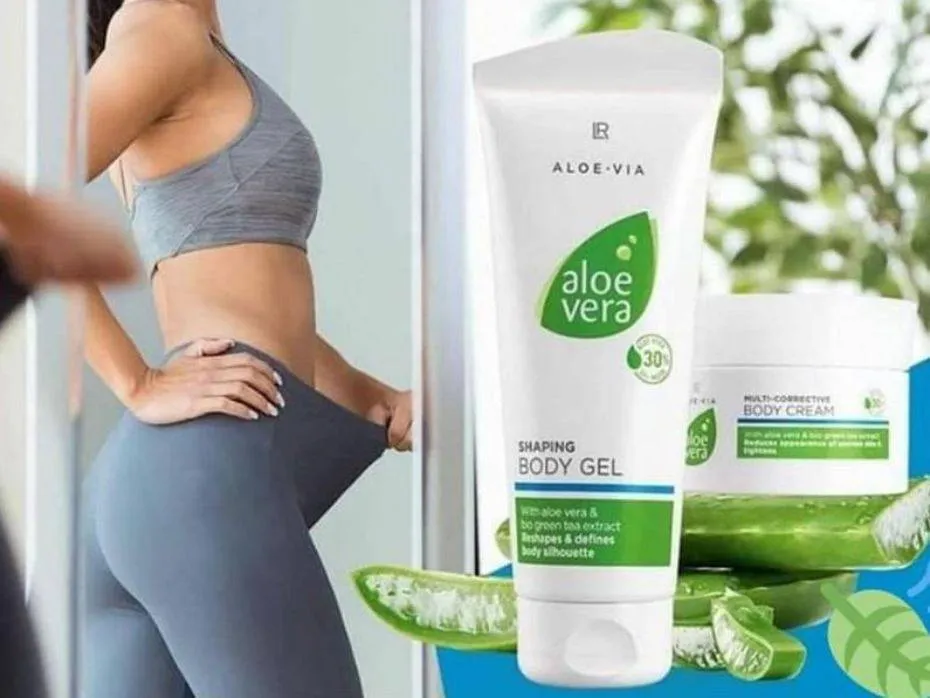
Aloe vera has been used for thousands of years across cultures, from ancient Egypt to traditional Indian and Chinese medicine. Often referred to as the “plant of immortality” in historical texts, this succulent has built a reputation not just as a soothing gel for sunburn, but as a versatile botanical with applications in skincare, wellness, and everyday self-care routines. Today, aloe vera is no longer confined to home remedies; it has evolved into a scientifically studied ingredient featured in modern cosmetic and nutritional formulations.
In this article, we explore what makes aloe vera so unique, how it interacts with the skin, and why it continues to hold a strong place in contemporary beauty and wellness products such as Lr Aloe Vera Produkte Von Lr.
The Botanical Profile of Aloe Vera
Aloe vera (Aloe barbadensis Miller) is a succulent plant that thrives in dry climates. Its thick, fleshy leaves contain a clear gel composed of approximately 99% water. The remaining 1% is what makes it fascinating: a complex mix of vitamins, enzymes, amino acids, polysaccharides, minerals, and antioxidants.
Among its most studied components are:
- Polysaccharides, particularly acemannan, which contribute to hydration and barrier support.
- Vitamins A, C, and E, known for their antioxidant properties.
- Enzymes and amino acids that support skin conditioning.
- Minerals such as zinc and magnesium, which play roles in skin balance.
This combination explains why aloe vera is frequently described as both hydrating and soothing.
Hydration Beyond Surface-Level Moisture
One of the primary reasons aloe vera is so widely used in skincare is its ability to deliver lightweight hydration. Unlike heavier creams that rely mainly on oils and occlusives, aloe gel is water-based. This makes it particularly appealing for people who prefer non-greasy textures or who have combination or oily skin.
When applied topically, aloe vera forms a thin, breathable layer on the skin. This layer helps reduce transepidermal water loss while still allowing the skin to feel fresh rather than coated. Because of this, aloe vera is often found in daily moisturizers, after-sun care, face masks, and serums.
Soothing and Comforting Properties
Skin can become stressed for many reasons: environmental pollution, UV exposure, over-exfoliation, shaving, or seasonal dryness. Aloe vera has long been associated with calming effects, particularly when the skin feels tight, warm, or irritated.
The cooling sensation many people experience when applying aloe gel is partly due to its high water content. However, the plant’s bioactive compounds may also contribute to how the skin feels after application. Rather than acting as a quick fix, aloe-based formulations are often designed to support overall skin comfort as part of a consistent routine.
Aloe Vera in Hair and Scalp Care
Although most people associate aloe vera with facial skincare, it is increasingly used in hair and scalp products. The scalp, like the skin on the face, can experience dryness and imbalance. Aloe vera’s lightweight hydration makes it suitable for leave-in treatments, shampoos, and scalp tonics.
In haircare, aloe vera is typically valued for adding moisture without heaviness, supporting a balanced scalp environment, and enhancing softness and manageability.
The Role of Science in Modern Aloe Products
Traditional use alone is not enough in today’s regulated cosmetic industry. Modern aloe-based products rely on standardized extraction processes, quality control, and stability testing to ensure consistency.
Key considerations in high-quality aloe formulations include concentration of aloe gel, purity and processing methods, and stability in combination with other ingredients.
Aloe Vera and Anti-Aging Conversations
The topic of anti-aging is often surrounded by exaggerated promises. Aloe vera does not reverse time, but its antioxidant content contributes to protecting the skin from environmental stressors.
By helping maintain hydration and supporting the skin barrier, aloe vera plays a supportive role in maintaining a smoother, more refreshed appearance.
Nutrition and Internal Use
Beyond topical use, aloe vera is also found in certain nutritional products and beverages. When processed correctly and purified according to safety standards, aloe-based drinks are marketed for digestive balance and general wellness support.
It is important to distinguish between cosmetic aloe gel and products intended for internal consumption.
Why Aloe Vera Remains Relevant
In an industry filled with constantly changing trends, aloe vera has maintained its relevance because it offers a balance: it is hydrating, soothing, lightweight, and adaptable across product categories.
Consumers today are increasingly ingredient-conscious, and aloe vera sits comfortably at the intersection of nature and research.
Final Thoughts
Aloe vera’s journey from ancient remedy to modern skincare staple reflects both tradition and innovation. Its hydrating, soothing, and conditioning properties have made it one of the most widely used botanical ingredients in personal care.
Rather than viewing aloe vera as a miracle solution, it is more accurate to see it as a versatile plant that supports everyday skin and hair maintenance. Whether incorporated into moisturizers, grooming products, or wellness formulations, it continues to offer a balanced approach to care grounded in both history and modern formulation science