
In a world steadily gravitating toward digital immersion, online gaming slot has evolved beyond mere amusement. What was once considered a frivolous pastime or escapist indulgence has now morphed into a fertile domain for entrepreneurial ambition. Hidden beneath pixelated landscapes and algorithmically generated worlds lies a trove of lucrative possibilities. Today, online gaming has become a contemporary goldfield, teeming with potential for those astute enough to harness its intricacies.
This evolution is not incidental it is the product of a sprawling, interconnected ecosystem that fuses technology, commerce, competition, and creativity. For the discerning participant, gaming is no longer a hobby; it is a monetizable frontier.
A Metamorphosis of Play
To comprehend the profit potential within online games, one must recognize the paradigm shift in how games are developed, consumed, and monetized. Unlike traditional single-player formats of yesteryears, today’s games are immersive, social, and persistently evolving. Massive multiplayer platforms, competitive eSports, and decentralized gaming economies have made it possible for players not just to enjoy the experience, but to derive income from it.
Titles like Fortnite, World of Warcraft, Axie Infinity, and Roblox have become economic microcosms, each with their own currencies, market dynamics, and hierarchies of value. Players don’t just play they invest, speculate, trade, and build reputations, all within digital architectures that mirror the complexity of real-world finance.
Esports: The Arena of Digital Gladiators
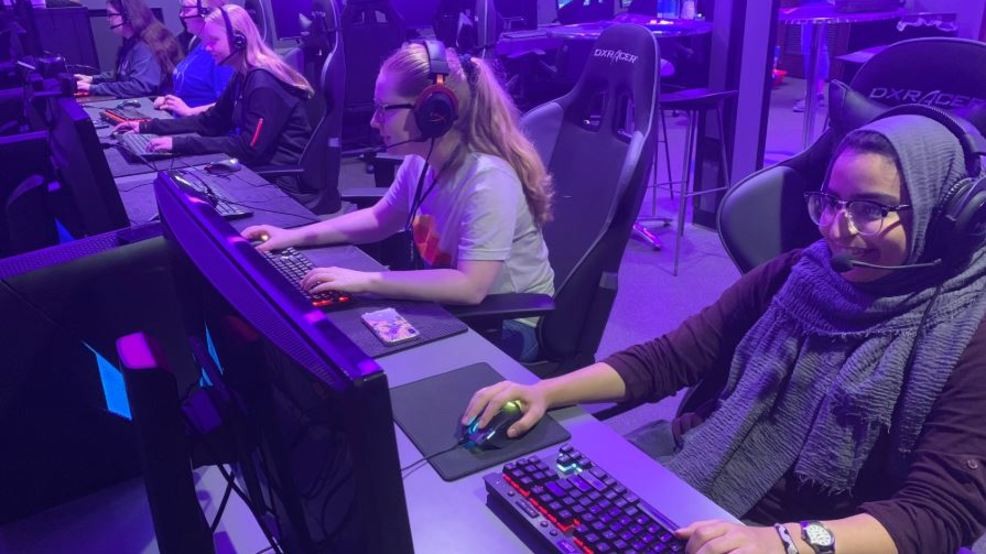
The eSports industry stands as perhaps the most conspicuous emblem of gaming’s profit potential. Competitive gaming tournaments now command global audiences in the millions and distribute prize pools that rival traditional sports.
For individuals with preternatural reflexes, tactical brilliance, and unyielding discipline, eSports offers not only financial rewards but prestige and influence. Sponsorships, brand partnerships, team contracts, and streaming revenue coalesce into a multifaceted income model—accessible to anyone with the requisite skill and a reliable internet connection.
Play-to-Earn Ecosystems and Blockchain Synergy
One of the most groundbreaking developments in recent years is the advent of play-to-earn (P2E) games, underpinned by blockchain technology. These decentralized ecosystems empower players to earn tokenized assets—cryptocurrencies, NFTs, or in-game tokens—that hold real-world value and can be traded or sold.
Games like Decentraland, The Sandbox, and Gods Unchained exemplify this model, where gameplay is intrinsically linked to wealth generation. This paradigm redefines what it means to “win” a game; profit is no longer confined to the leaderboard but embedded in the architecture of the game economy itself.
In-Game Entrepreneurship and Asset Trading
Profit-making in online gaming isn’t limited to competition. Many players carve out entrepreneurial niches by engaging in virtual real estate, item crafting, avatar customization, or currency arbitrage. Certain MMORPGs (Massively Multiplayer Online Role-Playing Games) enable players to create and sell virtual goods, services, or even experiences.
These virtual endeavors are not trivial. Some traders earn four- to five-figure incomes monthly by flipping rare items, managing in-game marketplaces, or renting out digital assets transforming casual play into a sustainable livelihood.
Content Creation: The Theater of Play
Another potent avenue for profit lies in gaming content creation. Platforms such as YouTube, Twitch, and TikTok have birthed an entire class of digital entertainers gamers who curate, narrate, and dramatize their virtual exploits for global audiences.
What separates the mediocre from the magnetic is a flair for storytelling, community-building, and consistency. Monetization through advertising, merchandise, sponsorships, and subscriptions allows creators to capitalize on personality as much as gameplay—turning followers into a formidable financial asset